
Google’s AI Mode Is Citing Google More Than Any Other Website
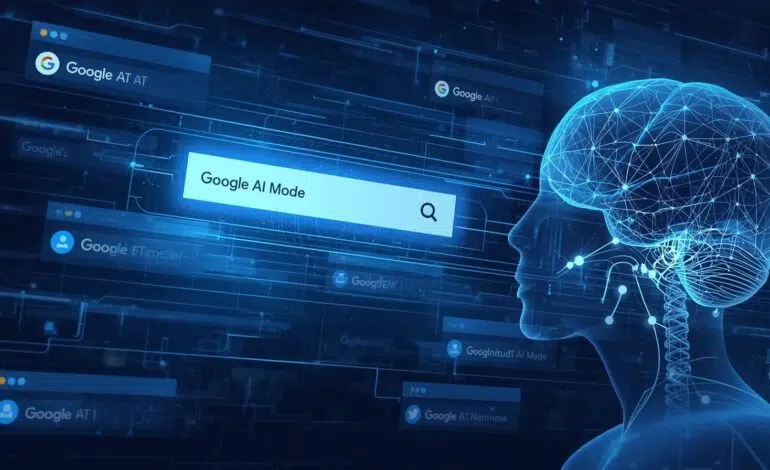

Google’s new AI-powered search experience is changing how information appears in search results. Early analysis shows that Google’s AI Mode is citing Google-owned properties more than any other website. This trend is raising important questions about search visibility, content discovery, and the future of SEO.
As AI-generated answers become more common in search results, the sources used by Google’s AI systems matter more than ever. For publishers, marketers, and SEO professionals, understanding how AI Mode chooses its citations is critical for maintaining visibility.
What Is Google AI Mode?
Google AI Mode is part of the company’s broader push toward AI-driven search. It uses large language models to generate conversational answers directly in search results instead of simply listing links.
Rather than relying solely on traditional rankings, AI Mode compiles responses by pulling information from multiple sources across the web. These sources are then cited within the AI-generated response.
The goal is to help users get faster, clearer answers without needing to click multiple websites.
Data Shows Google Domains Dominate AI Citations
Recent research indicates that Google’s AI Mode frequently cites content from Google-owned platforms such as:
- YouTube
- Google Maps
- Google Business Profiles
- Google support documentation
- Google developer pages
In many cases, these properties appear more often than independent websites or publishers.
This trend suggests that Google may trust its own ecosystem of content more heavily when generating AI answers.
Why Google AI Prefers Its Own Sources
There are several possible reasons why Google properties are cited more frequently:
1. Higher Trust Signals
Google’s own platforms typically have strong authority, structured data, and verified information, making them easy for AI systems to reference.
2. Structured and Verified Content
Platforms like YouTube, Google Maps, and Business Profiles contain structured metadata that helps AI systems understand the content quickly.
3. Direct Data Access
Google has direct access to its internal data, making it easier and faster for AI models to retrieve relevant information.
4. Reduced Risk of Misinformation
By prioritizing its own ecosystem, Google can reduce the risk of incorrect or misleading information appearing in AI responses.
What This Means for Publishers
If Google AI Mode continues to prioritize Google-owned properties, publishers may see fewer direct citations in AI answers.
This could affect:
- Organic traffic from search
- Brand visibility in AI answers
- Click-through rates from SERPs
However, it does not mean external websites are excluded. High-quality and authoritative sources are still frequently cited when they provide unique insights.
How SEOs Can Adapt to AI Mode
SEO strategies are evolving as AI search grows. To increase the chances of being cited in AI-generated answers, content creators should focus on the following approaches:
Create Original, Expert Content
AI systems prefer content that demonstrates expertise, authority, and trustworthiness.
Build Topical Authority
Publishing multiple in-depth articles around a topic helps search engines understand your expertise.
Optimize for Entities
Using clear entities such as brands, products, locations, and people helps AI models interpret your content accurately.
Use Structured Data
Schema markup improves the chances that AI systems understand your content and cite it correctly.
Focus on GEO and AEO
Generative Engine Optimization (GEO) and Answer Engine Optimization (AEO) are becoming essential strategies for AI-driven search environments.
The Bigger Picture: The Future of AI Search
Google’s AI Mode represents a major shift from traditional search results to AI-generated answers. As the technology evolves, citation patterns will likely change.
While Google-owned platforms currently appear frequently in AI citations, independent publishers still play a vital role in providing original knowledge and expert insights.
For SEO professionals, the key is to focus on high-quality, authoritative content that AI systems can trust and reference.
Conclusion
The rise of Google AI Mode is reshaping how information is discovered online. Early data suggests that Google frequently cites its own ecosystem, but external websites still have opportunities to appear in AI-generated answers.
Publishers who focus on expertise, structured content, and topical authority will be better positioned to gain visibility in the new AI-powered search landscape.
As AI search continues to evolve, adapting SEO strategies to align with AI citation patterns will be essential for maintaining organic traffic.