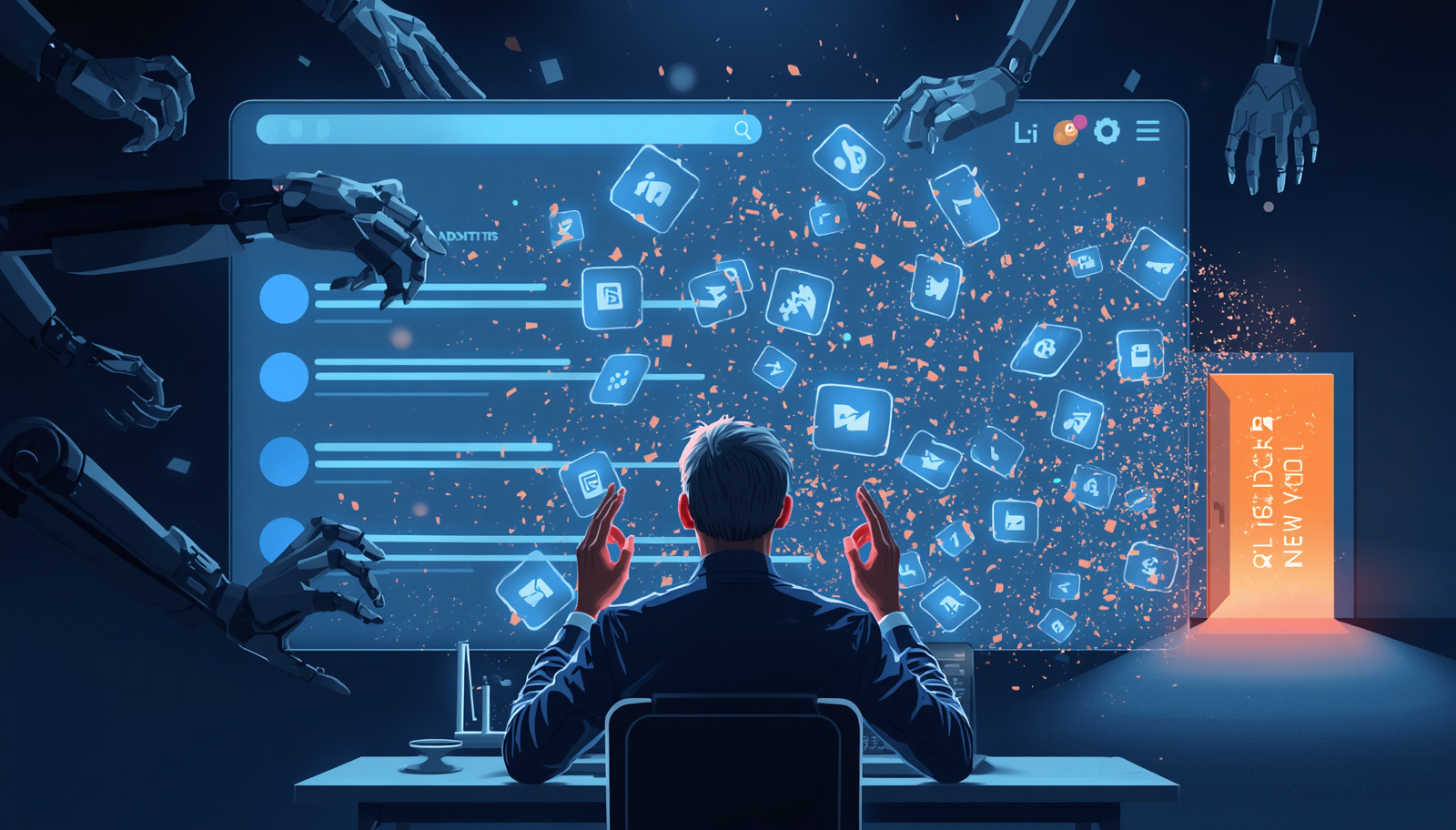
Digital Marketing Shifts With AI & Analytics
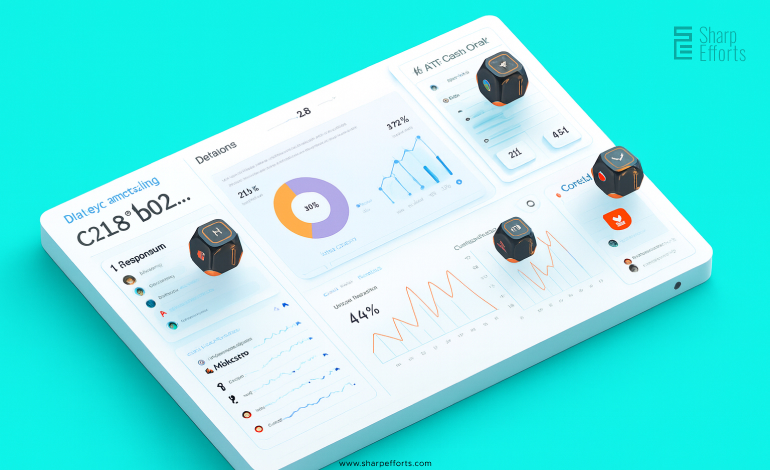

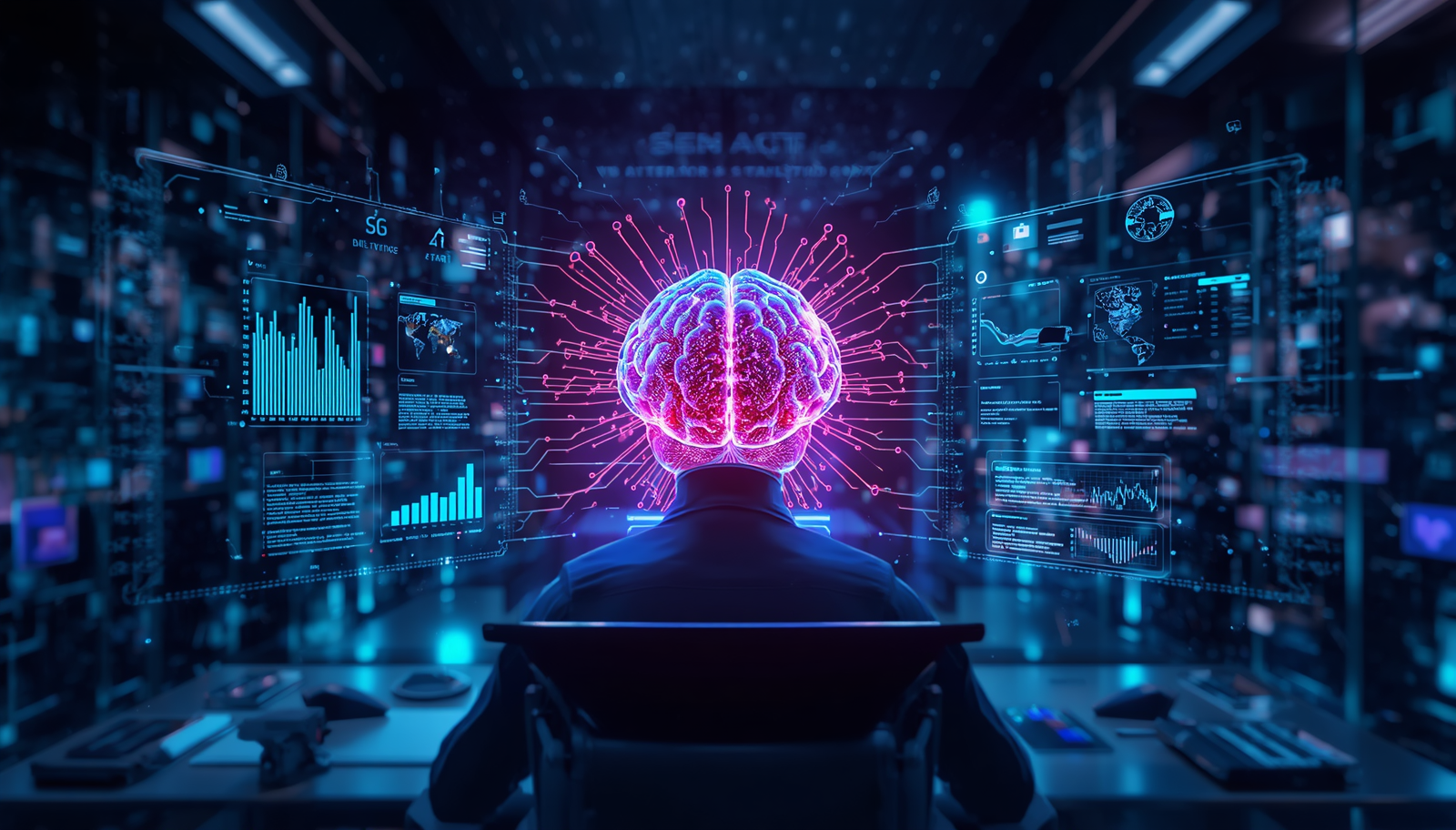
The digital marketing landscape is evolving rapidly, driven by advances in artificial intelligence (AI) and analytics. Businesses are moving beyond traditional methods of campaign management, adopting smarter, data-driven approaches that prioritize personalization, efficiency, and measurable outcomes. As AI continues to reshape how marketers interpret data and optimize strategies, analytics plays the role of translating insights into action.
Why AI & Analytics Are Transforming Digital Marketing
For years, digital marketing relied on manual optimization and intuition. While these approaches provided some success, they lacked precision. AI and advanced analytics now empower marketers with:
-
Real-time insights into customer behavior.
-
Predictive modeling to forecast trends and outcomes.
-
Automation tools that scale campaigns without sacrificing quality.
Together, AI and analytics offer a more scientific, results-driven foundation for decision-making.
Digital Marketing Shifts With AI & Analytics
The integration of AI with analytics is not just a technological upgrade; it represents a fundamental shift in how marketing operates. Campaigns that once depended on guesswork can now adapt dynamically based on user intent, preferences, and performance data.
Key changes include:
-
Personalization at Scale: Delivering individualized messages based on predictive insights.
-
Smarter Ad Targeting: Using machine learning to optimize bidding and audience selection.
-
Customer Journey Mapping: Leveraging analytics to understand and improve multi-channel engagement.
Marketers who embrace these shifts are better positioned to achieve stronger ROI and sustainable growth.
The Role of Predictive Analytics
Predictive analytics has become central to modern marketing strategies. By analyzing historical and real-time data, brands can anticipate customer actions and deliver content or offers that align with intent.
Practical applications include:
-
Identifying high-value prospects.
-
Predicting churn before it occurs.
-
Forecasting demand for products or services.
These capabilities allow businesses to act proactively rather than reactively.
AI-Powered Marketing Automation
Automation powered by AI has transformed how campaigns are managed. Instead of relying on manual adjustments, AI tools can optimize campaigns around the clock.
Examples include:
-
Automated email workflows triggered by customer behavior.
-
Dynamic ad creative adjustments based on engagement signals.
-
Chatbots providing real-time support and lead nurturing.
This shift allows marketing teams to focus on strategy and creativity while machines handle repetitive tasks.
How Analytics Enhances Campaign Measurement
Analytics provides the visibility needed to understand whether AI-driven initiatives are working. By tracking metrics beyond vanity
, businesses can measure true impact.
Important areas of focus include:
-
Conversion attribution across channels.
-
Customer lifetime value (LTV) analysis.
-
Cross-platform reporting for a unified view of performance.
Analytics ensures that AI optimizations translate into tangible results.
Challenges in Adopting AI & Analytics
Despite the opportunities, businesses face challenges such as:
-
High costs of advanced AI tools and platforms.
-
Skills gaps in interpreting complex analytics.
-
Privacy concerns around data collection and usage.
Overcoming these hurdles requires investment in training, governance, and ethical AI practices.
FAQs
Why are AI and analytics important in digital marketing?
They enable smarter targeting, personalization, and measurement, leading to stronger ROI.
What role does predictive analytics play?
It forecasts customer behavior, helping businesses anticipate needs and take proactive actions.
Can AI replace human marketers?
No. AI handles automation and insights, but humans provide creativity, strategy, and ethical judgment.
How does analytics support AI-driven campaigns?
It measures results, ensuring optimizations lead to meaningful outcomes.
What challenges exist in adopting AI and analytics?
Costs, skills gaps, and privacy issues remain the biggest obstacles.
Final Thoughts: AI and Analytics Reshape Digital Marketing
Digital marketing shifts with AI & analytics are redefining how businesses approach engagement, measurement, and growth. By combining intelligent automation with data-driven insights, brands can deliver more personalized experiences and achieve measurable impact. Marketers who embrace this transformation will lead the way in the next era of digital strategy.