
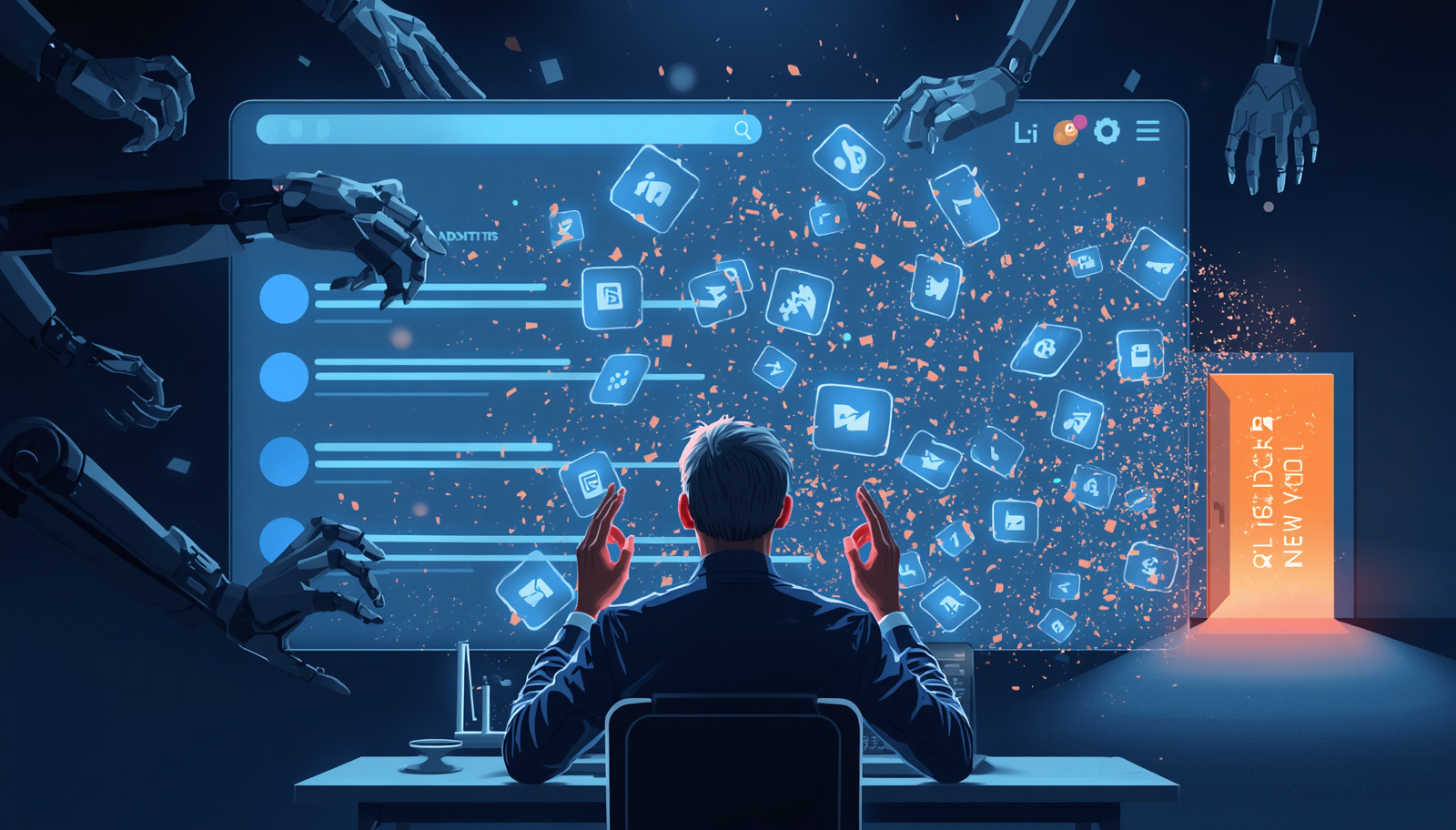
How AI Is Changing SEO: Content, Ranking & Search Behavior

Decoding the Future: How AI Is Changing SEO as We Know It
Let’s face it, the digital landscape is in constant flux. Search Engine Optimization (SEO), once a predictable science of keywords and backlinks, is now dancing to the tune of artificial intelligence. The question isn’t whether AI is changing SEO, but how radically it’s reshaping content creation, ranking strategies, and even user search behavior. The implications are massive, and understanding them is crucial for staying ahead.
The AI Revolution: A Sea Change for SEO Professionals
AI isn’t just a buzzword anymore; it’s the engine driving the next generation of search. Google’s algorithms, powered by machine learning, are getting smarter at understanding user intent, evaluating content quality, and delivering personalized search results. This means traditional SEO tactics, while still relevant, need a serious upgrade. It’s no longer enough to stuff keywords into articles or build low-quality links.
Content Creation: From Keywords to Comprehension
The days of writing for robots are over. AI-powered algorithms prioritize content that is informative, engaging, and addresses the user’s underlying needs. To truly understand how AI is changing SEO, one must examine how content quality is measured. What does this mean for content creators?
- Focus on topical authority: Instead of targeting individual keywords, create comprehensive resources that cover entire subjects.
- Write for humans, not search engines: Prioritize natural language, clear writing, and compelling storytelling.
- Leverage AI tools: Use AI-powered writing assistants to improve grammar, clarity, and readability. However, don’t rely on them entirely, always inject your own unique voice and perspective.
Ranking Factors: Beyond Backlinks
Backlinks still matter, but they are no longer the be-all and end-all of SEO. AI algorithms consider a wide range of factors when determining search rankings, including user engagement metrics, website speed, and mobile-friendliness. Are you adapting to the needs of the modern user?
- Optimize for user experience: Make sure your website is fast, easy to navigate, and mobile-friendly.
- Monitor user engagement: Track metrics like bounce rate, time on page, and conversion rates to identify areas for improvement.
- Build high-quality backlinks: Focus on earning backlinks from authoritative websites in your niche.
Search Behavior: The Rise of Voice Search and Semantic Search
AI is also changing the way people search for information. Voice search is becoming increasingly popular, and search engines are getting better at understanding the meaning behind search queries, even when they are phrased in unconventional ways. How does that impact your keyword strategy?
- Optimize for long-tail keywords: Target specific, conversational search queries that people are likely to use when speaking to their devices.
- Provide clear and concise answers: Answer common questions directly on your website to capture featured snippets and voice search results.
- Focus on semantic SEO: Use related keywords and concepts to help search engines understand the context of your content.
KEYWORD2: Adapting to the AI-Driven Landscape
To succeed in the age of AI-powered SEO, businesses need to adapt their strategies and embrace new technologies. Here are a few key steps you can take:
Invest in AI-Powered Tools
There are a growing number of AI-powered tools that can help you with various aspects of SEO, from keyword research to content creation to link building. While not all tools are created equal, finding the right ones can significantly improve your efficiency and results. This includes tools that can analyze data and provide you with an overview.
Focus on Building Authority
Building authority is more important than ever in the age of AI. Search engines are increasingly prioritizing websites that are seen as trustworthy and credible sources of information. This means focusing on creating high-quality content, earning backlinks from authoritative websites, and building a strong brand reputation.
Embrace Continuous Learning
SEO is a constantly evolving field, and it’s important to stay up-to-date on the latest trends and best practices. Follow industry blogs, attend conferences, and experiment with new strategies to stay ahead of the curve.
KEYWORD3: The Future of SEO is Here
The impact of AI is only going to grow in the coming years. As AI algorithms get even smarter, they will become even better at understanding user intent, evaluating content quality, and delivering personalized search results. Businesses that embrace AI and adapt their SEO strategies accordingly will be well-positioned for success in the future. Ignoring this is a big risk.
Personalized Content is Key
AI allows for an unprecedented level of personalization in content creation and delivery. Tailoring content to individual user preferences and interests can significantly improve engagement and conversion rates.
Data-Driven Decisions are Essential
AI provides access to vast amounts of data that can be used to inform SEO strategies. Analyzing this data can help businesses identify opportunities for improvement and make more informed decisions.
Ethical Considerations are Paramount
As AI becomes more prevalent in SEO, it’s important to consider the ethical implications. Avoiding manipulative tactics and focusing on providing genuine value to users is crucial for maintaining trust and long-term success.
FAQs About How AI Is Changing SEO
- Is SEO dead because AI Is Changing SEO? No, SEO is not dead. It is evolving. AI is changing the rules of the game, but SEO remains essential for driving organic traffic to your website.
- Will AI replace SEO professionals? Unlikely. AI can automate certain tasks, but it cannot replace the creativity, strategic thinking, and human intuition that SEO professionals bring to the table.
- How can I prepare for the future of AI-powered SEO? Focus on building authority, creating high-quality content, and staying up-to-date on the latest trends and best practices.
It is quite obvious now how AI Is Changing SEO. The question now is, how will you adapt?