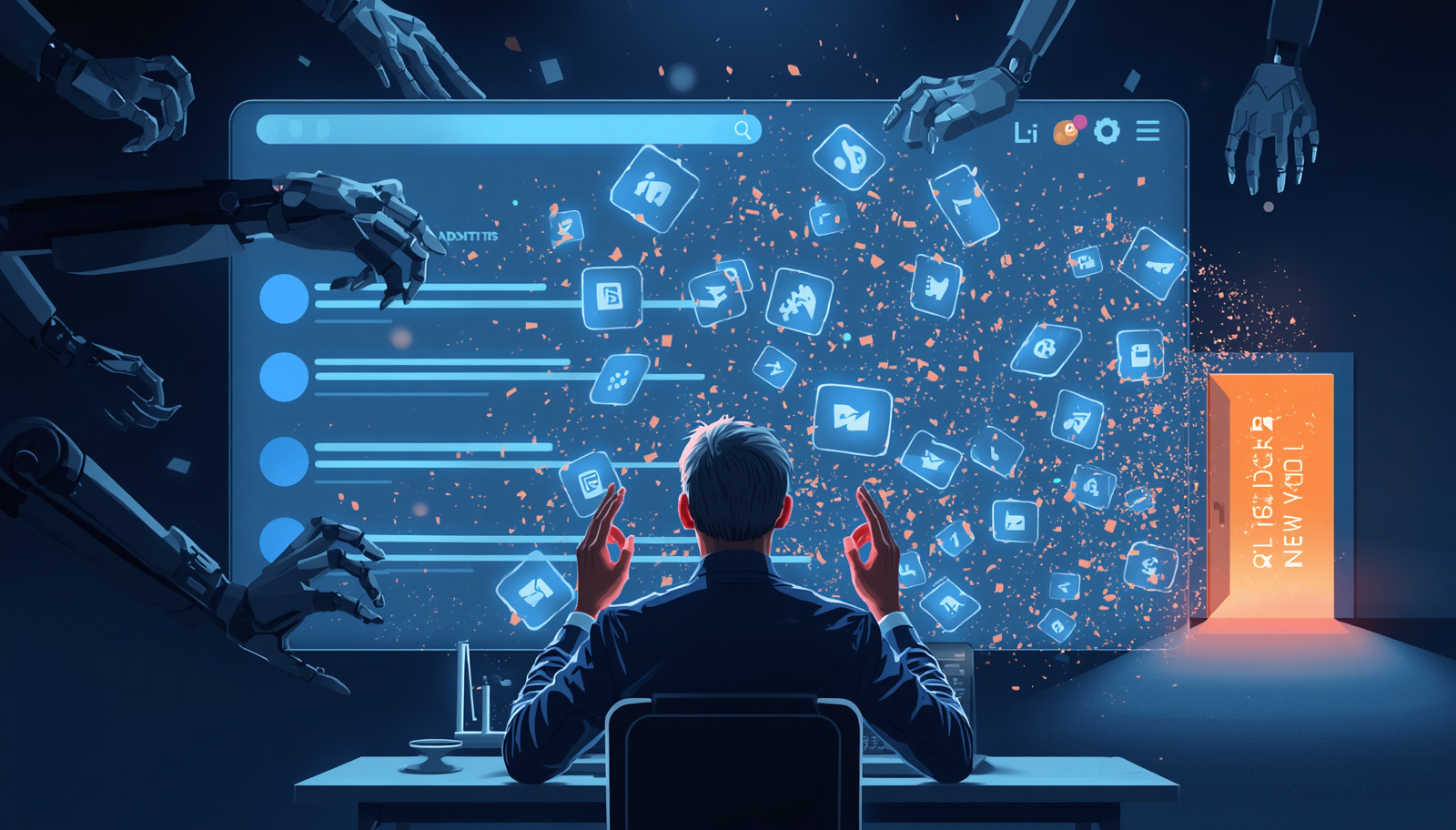
Internal Linking for GEO: Helping AI Understand Context & Entities
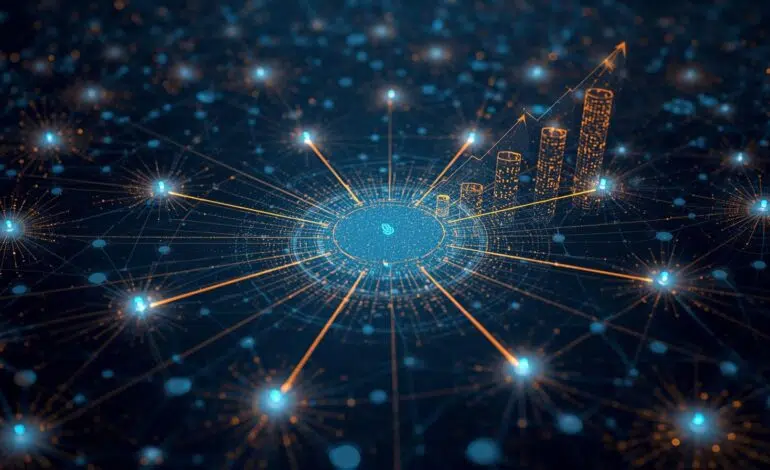

Maximizing Generative Engine Results via Internal Linking for GEO
Search engines no longer just look at keywords. They look for relationships between things. This shift toward generative engine optimization means your site structure matters more than ever. Well, it is not just about where users click. It is about how machines map your data.
When you use Internal Linking for GEO: Helping AI Understand Context & Entities, you provide a map. This map tells AI what your business does and why it matters. Most site owners forget that AI models use nodes to connect information. If your pages do not link properly, the AI misses the connection.
Actually, the way we build websites must change to meet these new standards. You cannot rely on old habits. If you want to stay visible, you need a strategy that prioritizes entity clarity over simple link juice. It’s about building a web of facts.
Establishing Semantic Authority Through Internal Linking for GEO
Building authority requires more than just high-quality content. It requires a logical flow that connects your main topics to sub-topics. Machines read these paths to verify your expertise. If a page about “AI logistics” links to “warehouse automation,” the AI sees a relationship. It builds a knowledge graph for your brand.
Internal Linking for GEO: Helping AI Understand Context & Entities helps the AI classify your site. Without these links, your pages exist in isolation. Isolation is the enemy of generative search. You want the AI to cite your content as a source. To do that, the AI must feel confident in your site’s structure.
Defining Your Primary Entities
Entities are the people, places, or things your content describes. AI looks for these entities to categorize your site. By linking related entities, you strengthen the context of each page.
You should identify your core entities before you start linking. Don’t just link randomly. Link based on the factual relationship between the subjects. This helps the AI understand the hierarchy of your information.
Using Anchor Text to Provide Context
Anchor text serves as a label for the destination page. You should use descriptive text that tells the AI exactly what to expect. Avoid generic phrases like “click here” or “read more.”
Instead, use the name of the entity or the topic. This reinforces the relationship between the two pages. It’s a simple way to boost your Internal Linking for GEO performance.
Reducing Link Depth for Better Crawling
AI models have limited resources. If a page is ten clicks away from the homepage, it might get ignored. You need to keep your important pages close to the surface.
Flat architectures work best for modern search. Try to ensure every page is accessible within three clicks. This makes it easier for AI to map your entire site quickly.
Connecting Related Blog Posts
Blog posts often cover niche topics. These topics should link back to your main service or product pages. This creates a “hub and spoke” model that AI loves.
The hub page acts as the main authority. The spokes provide the supporting evidence. This structure proves to the AI that you have deep knowledge of the subject.
Improving User Navigation Patterns
User behavior informs AI about the quality of your links. If users follow your links and stay on your site, it signals relevance. If they leave immediately, the AI might downgrade that link’s value.
Make sure your links are helpful to the reader. Don’t just add them for the sake of SEO. If the link provides value, the AI will recognize that value over time.
Updating Old Content with New Links
Content strategy is not a one-time task. You should return to old posts and add links to your new content. This keeps your internal network fresh and relevant.
Old pages often have more authority. By linking from an old page to a new one, you pass that authority down. It helps your new content get indexed and understood faster.
Organizing Information for Knowledge Graphs
AI uses knowledge graphs to answer user queries directly. Your internal links help build these graphs. Think of each link as a line between two dots of data.
The more lines you have, the clearer the picture becomes. But, don’t overdo it. Too many links can confuse the AI and dilute the message. Stick to what is necessary.
Analyzing Link Placement
Where you put your link matters. Links in the body of the text carry more weight than links in the footer. The AI assumes that the content within the paragraph is the most relevant.
Try to place your most important links early in the article. This ensures the AI sees them before it stops processing the page. It’s a small change that yields big results.
Identifying Technical Link Issues
Broken links hurt your GEO efforts. If an AI hits a dead end, it stops building the context for that path. You need to audit your site regularly for 404 errors.
Redirects are also a problem if there are too many of them. Aim for direct links whenever possible. It saves the AI time and keeps the data clean.
Creating Clear Category Pages
Category pages act as the foundation for your Internal Linking for GEO. They group related topics together under a single umbrella. This helps the AI understand the broad themes of your site.
Ensure your category pages link to all the relevant sub-pages. This creates a strong cluster of information. It’s one of the most effective ways to show topical relevance.
Why Contextual Relevance Matters for AI
AI models like LLMs predict the next word or concept. If your links follow a logical pattern, the AI can predict your site’s content. This predictability leads to better rankings in generative results.
A link about “coding” should go to a page about “software.” If it goes to a page about “cooking,” the AI gets confused. Keep your context tight and focused.
Factors That Influence Entity Recognition
AI looks for specific attributes of an entity. It looks for synonyms, related terms, and descriptions. Your internal links should connect pages that share these attributes.
When you link Internal Linking for GEO: Helping AI Understand Context & Entities, you are grouping these attributes. This makes it easier for the AI to identify what your page is truly about.
What are the main benefits of internal linking for GEO?
Internal linking helps AI understand the relationships between different topics on your site. It improves the chances of your content being used as a source in generative AI answers. It also makes your site easier to navigate for both bots and humans.
How many internal links should a page have?
There is no fixed number. However, you should focus on quality over quantity. Every link should serve a purpose and provide additional context to the reader and the AI.
Does anchor text still matter for AI?
Yes, anchor text is a primary signal for entity recognition. It tells the AI exactly what the linked page is about. Using descriptive anchor text is a requirement for successful GEO.
Can too many links hurt my site?
Yes, if you have too many irrelevant links, it can confuse the AI. It might look like spam. Stick to links that are actually helpful to the user and the topic.
How often should I audit my internal links?
You should check your link structure at least once a quarter. This ensures all links are working and that your newest content is properly integrated into your site’s architecture.
Will internal linking replace external backlinks?
No, external backlinks still provide authority. However, internal linking is what provides context. You need both to rank well in the modern generative search environment.
Looking at the current state of search, it is obvious that structure is the priority. Businesses must treat their websites like databases for AI to read. If the data is messy, the AI will look elsewhere. By focusing on Internal Linking for GEO: Helping AI Understand Context & Entities, you give your site the best chance to be seen.
The transition to generative search is happening fast. You don’t want to be left behind with a site that AI can’t interpret. Start organizing your content today. Build those connections. Ensure every page has a place in the larger narrative of your brand.
Actually, the success of your digital presence depends on this clarity. Machines are the new audience. You must write for them just as much as you write for people. When you align your structure with their needs, you win.
If you want your brand to be the center of the search world, you must master Internal Linking for GEO. It is time to get your site in sync and start Internal Linking for GEO-graphical dominance.